(Computational)

Marine Carbon
Cycling Lab

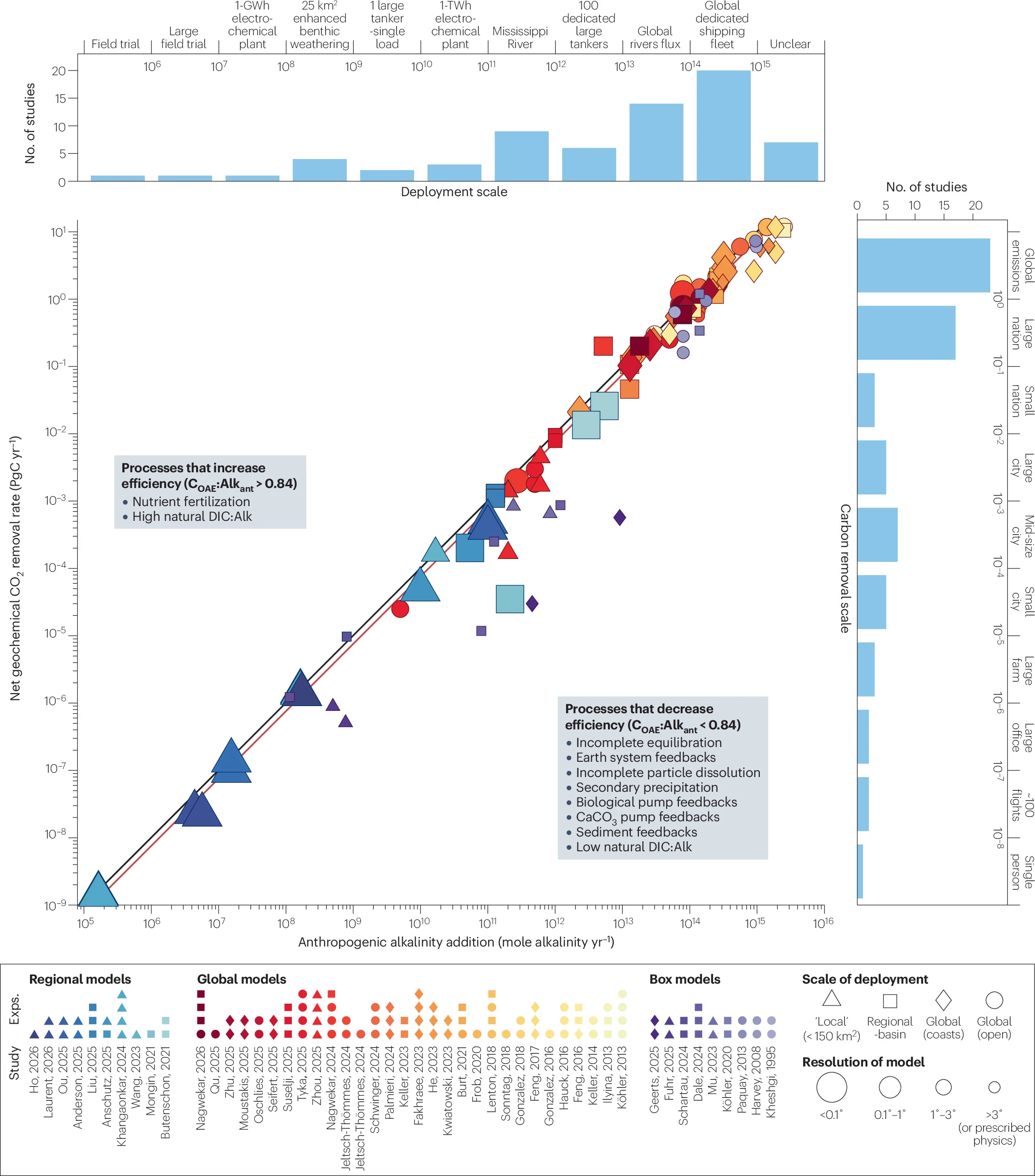
The ocean is able to sequester a staggering amount of carbon dioxide (CO2) from the atmosphere and is well understood to be the primary natural control on Earth’s climate, driving us in and out of ice-ages throughout the geological past. Our research focus is on understanding how the marine carbon cycle, and its ability to keep carbon out of the atmosphere, will respond to massive inadvertent (anthropogenic emissions) and potentially intentional (carbon dioxide removal technologies) perturbations across an uncertain future.

Our work spans a variety of topics across marine biogeochemistry, physical oceanography, Earth system modelling, and policy to unravel the connections between the ocean, our climate, and ultimately how society might wish to grapple with, or even augment, the powerful feedbacks between the two.

Our hope, is that this work can further quantify the economic and environmental cost of climate inaction and help determine if emissions reductions can be paired with thoughtful marine carbon dioxide removal (CDR) technologies to help abate the worst impacts of climate change.
News


  • New Paper!

    New Paper!

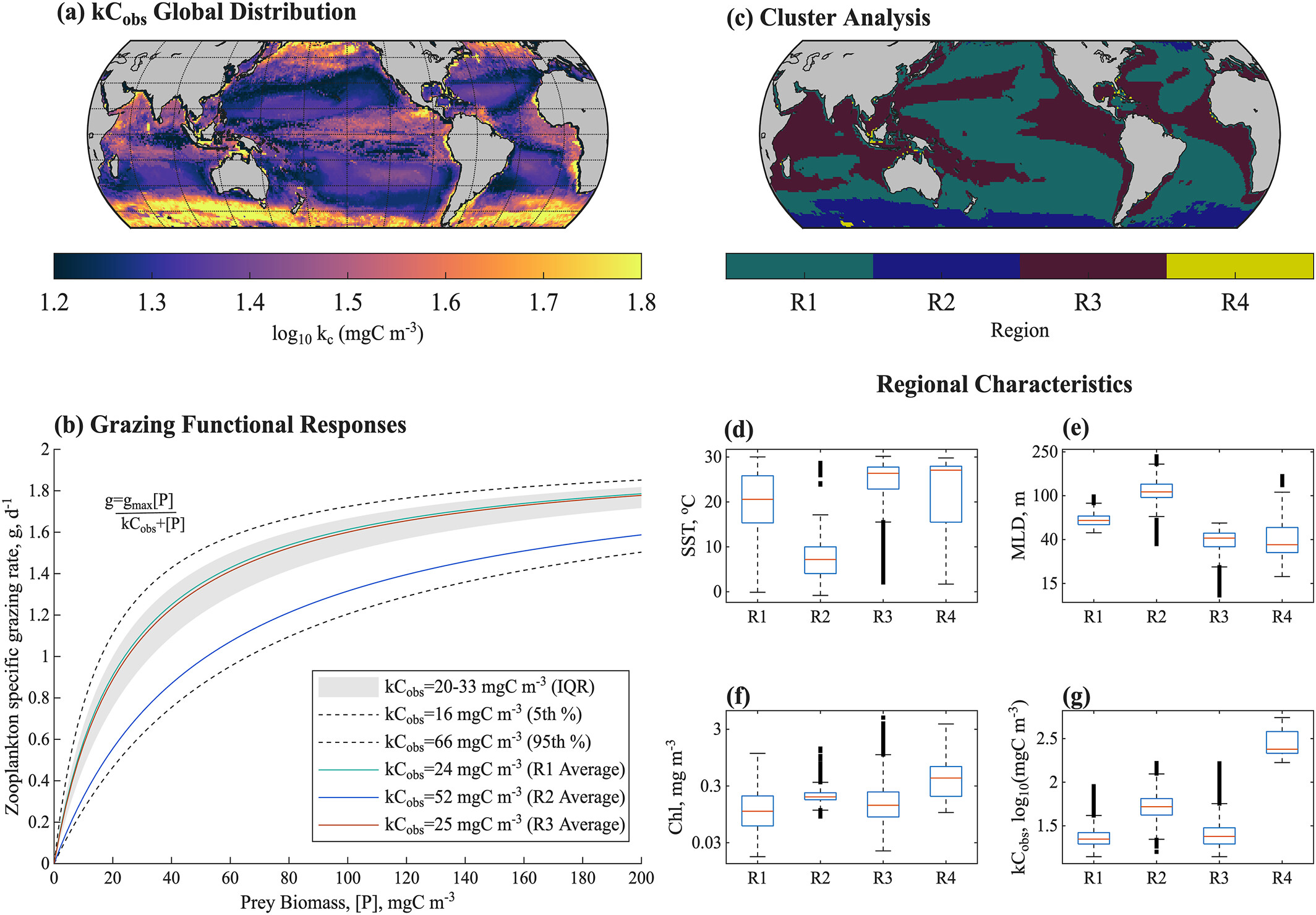
    Sophie has a new paper out today in GRL on the drivers off grazing dynamics. Identifying the Environmental Drivers of Spatial Variability in Zooplankton Community Grazing Dynamics Abstract: Biogeochemical models used to estimate carbon export fluxes are highly sensitive to their parameterization of zooplankton grazing dynamics. Zooplankton grazing dynamics have been shown to vary spatially,…

  • National Marine Research Strategy

    National Marine Research Strategy

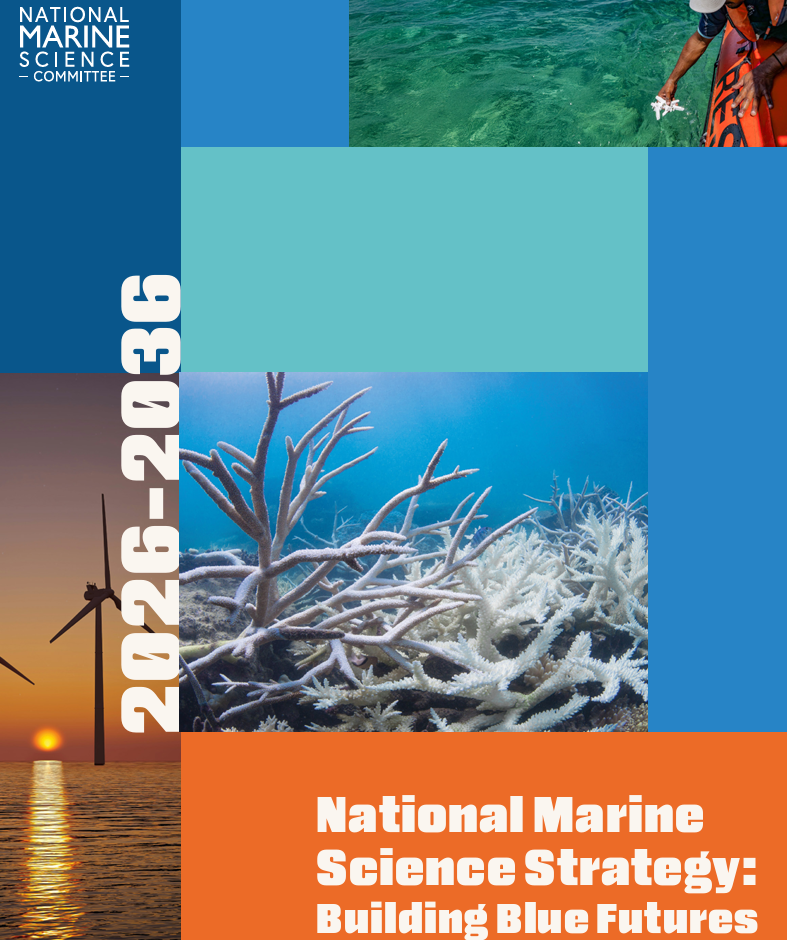
    Australia’s Decadal National Marine Research Strategy has been Released! Read the new report, highlighting Australia’s top marine research priorities over the next decade (2026-2036). Amongst many critical goals are a range of ambitious mCDR and OAE research objectives: These are grounding in the recommendations provided in our recent Strategic research priorities for marine climate interventions…

  • Conversation Article

    Conversation Article

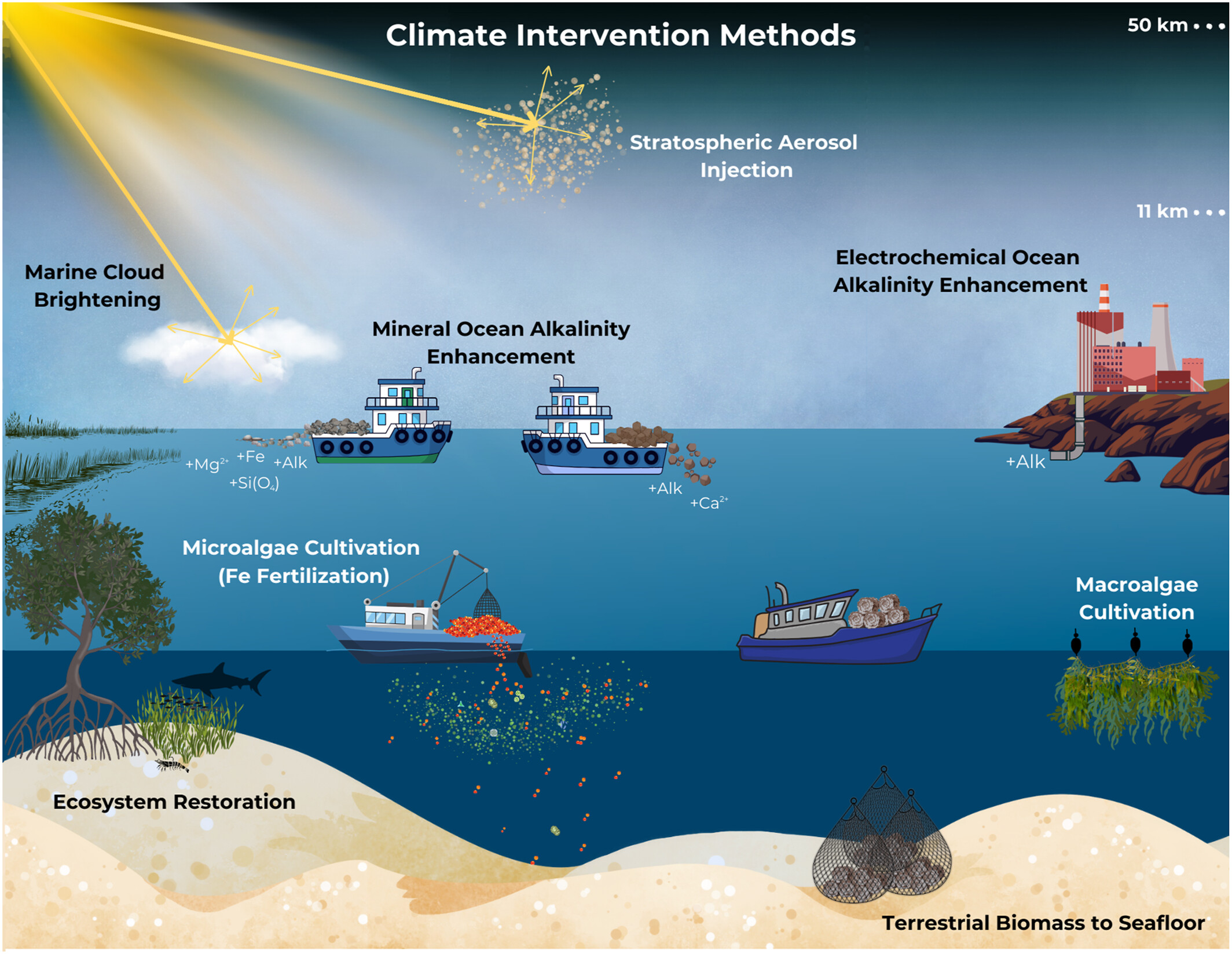
    New Article on why CDR research is important Climate engineering would alter the oceans, reshaping marine life – our new study examines each method’s risks Climate change is already fueling dangerous heat waves, raising sea levels and transforming the oceans. Even if countries meet their pledges to reduce the greenhouse gas emissions that are driving climate change, global warming will exceed…

  • New Paper!

    New Paper!

    New Review out on Potential Marine Ecosystem Impacts of Climate Intervention Potential Impacts of Climate Interventions on Marine Ecosystems Abstract. Rising global temperatures pose significant risks to marine ecosystems, biodiversity, and fisheries. Recent comprehensive assessments suggest that large-scale mitigation efforts to limit warming are falling short, and all feasible future climate projections, including those that…

  • New Paper!

    New Paper!

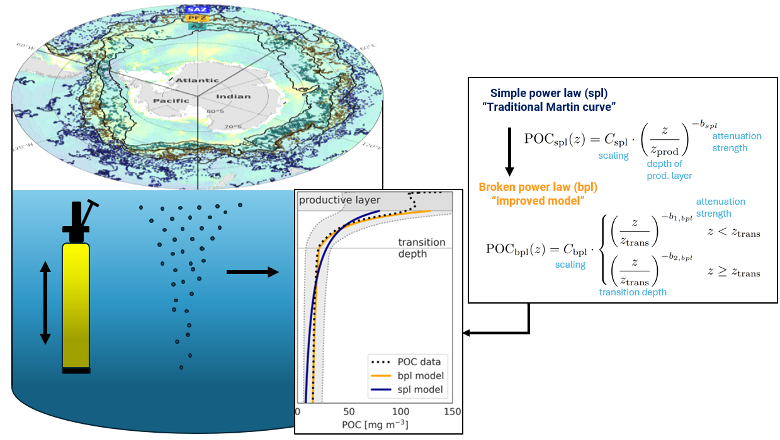
    Annika has a new paper out in Community Earth & Environement! An improved model of particle attenuation reduces estimates of Southern Ocean carbon transfer efficiency. Abstract: The downward transport of organic particles produced by marine organisms is a key control on the ocean’s carbon storage. Measurements of particle attenuation through the water column have historically…

  • ARC Grant for 12 new Floats!

    ARC Grant for 12 new Floats!

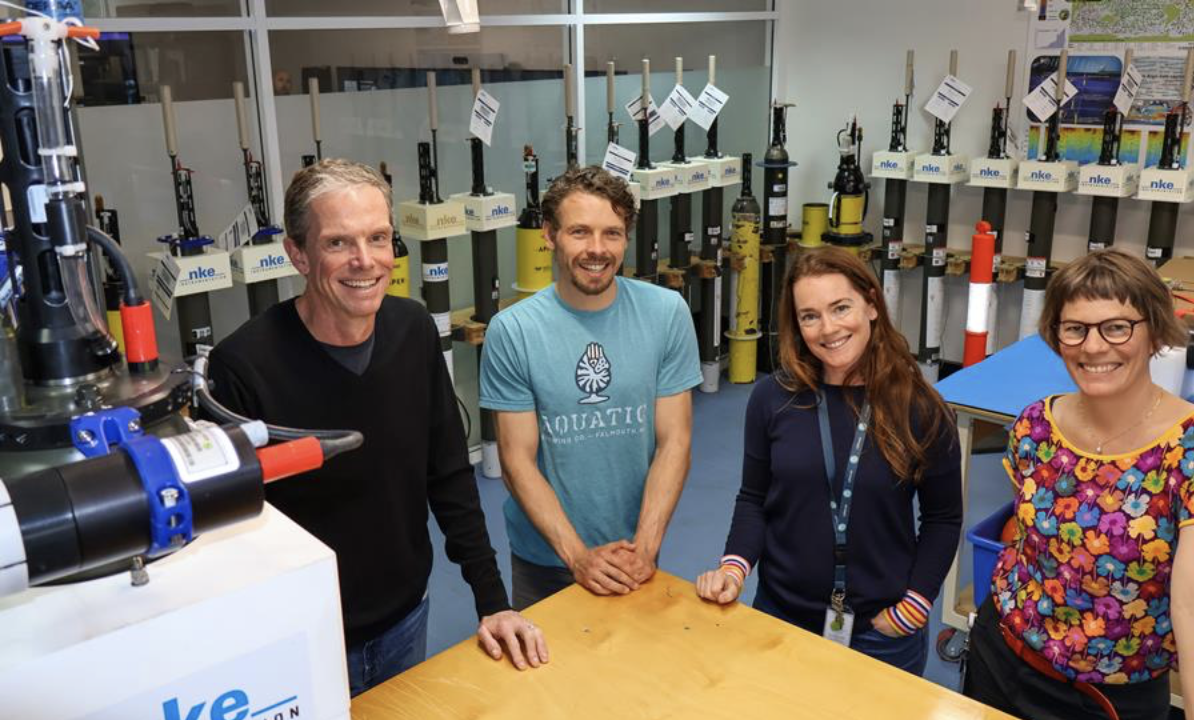
    Expanding robotic float numbers a win for Australia’s ocean and climate insights The ‘ocean observatory’ of robotic Argo floats is set to be expanded with 12 new state-of-the-art models fitted with biogeochemical (BGC) sensors, thanks to Australian Research Council (ARC) funding of $1,490,619 awarded to a project led by the University of Tasmania’s Institute for Marine and…

  • Editor Highlight

    Editor Highlight

    Chris Trail’s second chapter has been selected as an Editor’s Highlight in EOS

  • New Paper!

    New Paper!

    Pearse has a new paper out!

  • Conversation Article

    Conversation Article

    Chris has a new Conversation article out

The Marine Carbon Cycling Lab is based at the Institute for Marine & Antarctic Studies at the University of Tasmania. We receive funding from the University of Tasmania, The Australian Research Council, and the ICONIQ Impact Ocean Co-Lab.